
Squid Games Printable
Squid Games Printable - Their elongated bodies, eight arms, and two long tentacles give them that unique appearance. Squids are cephalopods similar to octopuses and cuttlefish evolving as early as the jurassic period. They are found in coastal and as well as oceanic waters. These anatomical differences between squid and octopuses can help explain why squid can be found swimming comparably to fish while octopuses usually rely on other forms of locomotion on the sea. Their bodies are very soft which is why they tend to make a nice meal for so. Inside, a tempting prize awaits — with deadly high stakes. Learn about squid species, physiology, diet, and evolution, including their bioluminescence, jet propulsion, and role in ocean ecosystems. Squids belong to the order teuthida, a group distinguished. Among these, the squid stands out in its unique grace and diversity, with over 300 species of squid classified under the family cephalopoda. With more than 300 known species, squids range in size from the utterly tiny southern pygmy squid all the way up to the mammoth colossal squid. Known for their streamlined bodies, rapid swimming. They are found in coastal and as well as oceanic waters. Among these, the squid stands out in its unique grace and diversity, with over 300 species of squid classified under the family cephalopoda. Inside, a tempting prize awaits — with deadly high stakes. Their elongated bodies, eight arms, and two long tentacles. Learn about squid species, physiology, diet, and evolution, including their bioluminescence, jet propulsion, and role in ocean ecosystems. Inside, a tempting prize awaits — with deadly high stakes. They only live in the water but can be found in a variety of locations where the temperatures are from one range to the next. They inhabit the shallows and deepest. Among. Squids belong to the order teuthida, a group distinguished. Known for their streamlined bodies, rapid swimming. Inside, a tempting prize awaits — with deadly high stakes. They inhabit the shallows and deepest. With more than 300 known species, squids range in size from the utterly tiny southern pygmy squid all the way up to the mammoth colossal squid. Known for their streamlined bodies, rapid swimming. Learn about squid species, physiology, diet, and evolution, including their bioluminescence, jet propulsion, and role in ocean ecosystems. Squids are cephalopods similar to octopuses and cuttlefish evolving as early as the jurassic period. With more than 300 known species, squids range in size from the utterly tiny southern pygmy squid all the way. Known for their streamlined bodies, rapid swimming. Learn about squid species, physiology, diet, and evolution, including their bioluminescence, jet propulsion, and role in ocean ecosystems. They are found in coastal and as well as oceanic waters. Their elongated bodies, eight arms, and two long tentacles give them that unique appearance. They only live in the water but can be found. Learn about squid species, physiology, diet, and evolution, including their bioluminescence, jet propulsion, and role in ocean ecosystems. Inside, a tempting prize awaits — with deadly high stakes. With more than 300 known species, squids range in size from the utterly tiny southern pygmy squid all the way up to the mammoth colossal squid. Their elongated bodies, eight arms, and. They only live in the water but can be found in a variety of locations where the temperatures are from one range to the next. Among these, the squid stands out in its unique grace and diversity, with over 300 species of squid classified under the family cephalopoda. They are found in coastal and as well as oceanic waters. These. Squids are highly intelligent and adaptable marine invertebrates belonging to the class cephalopoda, which also includes octopuses and cuttlefish. Squids belong to the order teuthida, a group distinguished. Their bodies are very soft which is why they tend to make a nice meal for so. Inside, a tempting prize awaits — with deadly high stakes. They inhabit the shallows and. They only live in the water but can be found in a variety of locations where the temperatures are from one range to the next. Their bodies are very soft which is why they tend to make a nice meal for so. Known for their streamlined bodies, rapid swimming. Squids are highly intelligent and adaptable marine invertebrates belonging to the. Inside, a tempting prize awaits — with deadly high stakes. They only live in the water but can be found in a variety of locations where the temperatures are from one range to the next. Known for their streamlined bodies, rapid swimming. Their elongated bodies, eight arms, and two long tentacles give them that unique appearance. They inhabit the shallows. They inhabit the shallows and deepest. Squids are highly intelligent and adaptable marine invertebrates belonging to the class cephalopoda, which also includes octopuses and cuttlefish. They are found in coastal and as well as oceanic waters. Inside, a tempting prize awaits — with deadly high stakes. Squids belong to the order teuthida, a group distinguished. Their bodies are very soft which is why they tend to make a nice meal for so. With more than 300 known species, squids range in size from the utterly tiny southern pygmy squid all the way up to the mammoth colossal squid. Their elongated bodies, eight arms, and two long tentacles give them that unique appearance. Squids are highly. They only live in the water but can be found in a variety of locations where the temperatures are from one range to the next. They are found in coastal and as well as oceanic waters. These anatomical differences between squid and octopuses can help explain why squid can be found swimming comparably to fish while octopuses usually rely on. Squids are cephalopods similar to octopuses and cuttlefish evolving as early as the jurassic period. Among these, the squid stands out in its unique grace and diversity, with over 300 species of squid classified under the family cephalopoda. Known for their streamlined bodies, rapid swimming. Inside, a tempting prize awaits — with deadly high stakes. These anatomical differences between squid. Their elongated bodies, eight arms, and two long tentacles give them that unique appearance. They are found in coastal and as well as oceanic waters. Squids belong to the order teuthida, a group distinguished. Squids are cephalopods similar to octopuses and cuttlefish evolving as early as the jurassic period. Their bodies are very soft which is why they tend to. Squids are cephalopods similar to octopuses and cuttlefish evolving as early as the jurassic period. Inside, a tempting prize awaits — with deadly high stakes. These anatomical differences between squid and octopuses can help explain why squid can be found swimming comparably to fish while octopuses usually rely on other forms of locomotion on the sea. They inhabit the shallows. Their elongated bodies, eight arms, and two long tentacles give them that unique appearance. Learn about squid species, physiology, diet, and evolution, including their bioluminescence, jet propulsion, and role in ocean ecosystems. Known for their streamlined bodies, rapid swimming. Squids are cephalopods similar to octopuses and cuttlefish evolving as early as the jurassic period. They only live in the water. Squids are highly intelligent and adaptable marine invertebrates belonging to the class cephalopoda, which also includes octopuses and cuttlefish. With more than 300 known species, squids range in size from the utterly tiny southern pygmy squid all the way up to the mammoth colossal squid. They only live in the water but can be found in a variety of locations. Squids are highly intelligent and adaptable marine invertebrates belonging to the class cephalopoda, which also includes octopuses and cuttlefish. Inside, a tempting prize awaits — with deadly high stakes. With more than 300 known species, squids range in size from the utterly tiny southern pygmy squid all the way up to the mammoth colossal squid. Their elongated bodies, eight arms,. Squids belong to the order teuthida, a group distinguished. With more than 300 known species, squids range in size from the utterly tiny southern pygmy squid all the way up to the mammoth colossal squid. Squids are cephalopods similar to octopuses and cuttlefish evolving as early as the jurassic period. Their bodies are very soft which is why they tend. Their elongated bodies, eight arms, and two long tentacles give them that unique appearance. Squids belong to the order teuthida, a group distinguished. Among these, the squid stands out in its unique grace and diversity, with over 300 species of squid classified under the family cephalopoda. Their bodies are very soft which is why they tend to make a nice. Squids are highly intelligent and adaptable marine invertebrates belonging to the class cephalopoda, which also includes octopuses and cuttlefish. Squids are cephalopods similar to octopuses and cuttlefish evolving as early as the jurassic period. Known for their streamlined bodies, rapid swimming. They only live in the water but can be found in a variety of locations where the temperatures are. Their elongated bodies, eight arms, and two long tentacles give them that unique appearance. Inside, a tempting prize awaits — with deadly high stakes. Squids are cephalopods similar to octopuses and cuttlefish evolving as early as the jurassic period. Among these, the squid stands out in its unique grace and diversity, with over 300 species of squid classified under the. Learn about squid species, physiology, diet, and evolution, including their bioluminescence, jet propulsion, and role in ocean ecosystems. Squids are highly intelligent and adaptable marine invertebrates belonging to the class cephalopoda, which also includes octopuses and cuttlefish. Their elongated bodies, eight arms, and two long tentacles give them that unique appearance. Squids belong to the order teuthida, a group distinguished.. These anatomical differences between squid and octopuses can help explain why squid can be found swimming comparably to fish while octopuses usually rely on other forms of locomotion on the sea. They inhabit the shallows and deepest. Squids are cephalopods similar to octopuses and cuttlefish evolving as early as the jurassic period. With more than 300 known species, squids range. Known for their streamlined bodies, rapid swimming. Learn about squid species, physiology, diet, and evolution, including their bioluminescence, jet propulsion, and role in ocean ecosystems. Squids belong to the order teuthida, a group distinguished. Their elongated bodies, eight arms, and two long tentacles give them that unique appearance. Their bodies are very soft which is why they tend to make. These anatomical differences between squid and octopuses can help explain why squid can be found swimming comparably to fish while octopuses usually rely on other forms of locomotion on the sea. Squids are cephalopods similar to octopuses and cuttlefish evolving as early as the jurassic period. They are found in coastal and as well as oceanic waters. Known for their. Learn about squid species, physiology, diet, and evolution, including their bioluminescence, jet propulsion, and role in ocean ecosystems. Inside, a tempting prize awaits — with deadly high stakes. These anatomical differences between squid and octopuses can help explain why squid can be found swimming comparably to fish while octopuses usually rely on other forms of locomotion on the sea. They. Squids are highly intelligent and adaptable marine invertebrates belonging to the class cephalopoda, which also includes octopuses and cuttlefish. They inhabit the shallows and deepest. They are found in coastal and as well as oceanic waters. Inside, a tempting prize awaits — with deadly high stakes. Known for their streamlined bodies, rapid swimming. Squids belong to the order teuthida, a group distinguished. These anatomical differences between squid and octopuses can help explain why squid can be found swimming comparably to fish while octopuses usually rely on other forms of locomotion on the sea. Their bodies are very soft which is why they tend to make a nice meal for so. They inhabit the. Squids belong to the order teuthida, a group distinguished. Their elongated bodies, eight arms, and two long tentacles give them that unique appearance. Learn about squid species, physiology, diet, and evolution, including their bioluminescence, jet propulsion, and role in ocean ecosystems. They inhabit the shallows and deepest. Squids are highly intelligent and adaptable marine invertebrates belonging to the class cephalopoda,. Inside, a tempting prize awaits — with deadly high stakes. Among these, the squid stands out in its unique grace and diversity, with over 300 species of squid classified under the family cephalopoda. They inhabit the shallows and deepest. With more than 300 known species, squids range in size from the utterly tiny southern pygmy squid all the way up. Known for their streamlined bodies, rapid swimming. Squids are cephalopods similar to octopuses and cuttlefish evolving as early as the jurassic period. These anatomical differences between squid and octopuses can help explain why squid can be found swimming comparably to fish while octopuses usually rely on other forms of locomotion on the sea. With more than 300 known species, squids. With more than 300 known species, squids range in size from the utterly tiny southern pygmy squid all the way up to the mammoth colossal squid. Their elongated bodies, eight arms, and two long tentacles give them that unique appearance. Among these, the squid stands out in its unique grace and diversity, with over 300 species of squid classified under. Known for their streamlined bodies, rapid swimming. These anatomical differences between squid and octopuses can help explain why squid can be found swimming comparably to fish while octopuses usually rely on other forms of locomotion on the sea. Squids belong to the order teuthida, a group distinguished. Squids are cephalopods similar to octopuses and cuttlefish evolving as early as the. They only live in the water but can be found in a variety of locations where the temperatures are from one range to the next. Learn about squid species, physiology, diet, and evolution, including their bioluminescence, jet propulsion, and role in ocean ecosystems. They are found in coastal and as well as oceanic waters. Inside, a tempting prize awaits — with deadly high stakes. Their elongated bodies, eight arms, and two long tentacles give them that unique appearance. They inhabit the shallows and deepest. Squids belong to the order teuthida, a group distinguished. Among these, the squid stands out in its unique grace and diversity, with over 300 species of squid classified under the family cephalopoda. Squids are highly intelligent and adaptable marine invertebrates belonging to the class cephalopoda, which also includes octopuses and cuttlefish. With more than 300 known species, squids range in size from the utterly tiny southern pygmy squid all the way up to the mammoth colossal squid. Squids are cephalopods similar to octopuses and cuttlefish evolving as early as the jurassic period.
Squid Game Coloring Pages Free Printables

Squidgame Coloring Page (Free Printable PDF)

Squid Game Coloring Pages 50 New Pictures Free Printable

Squid Game Coloring Pages Printable Coloring Pages
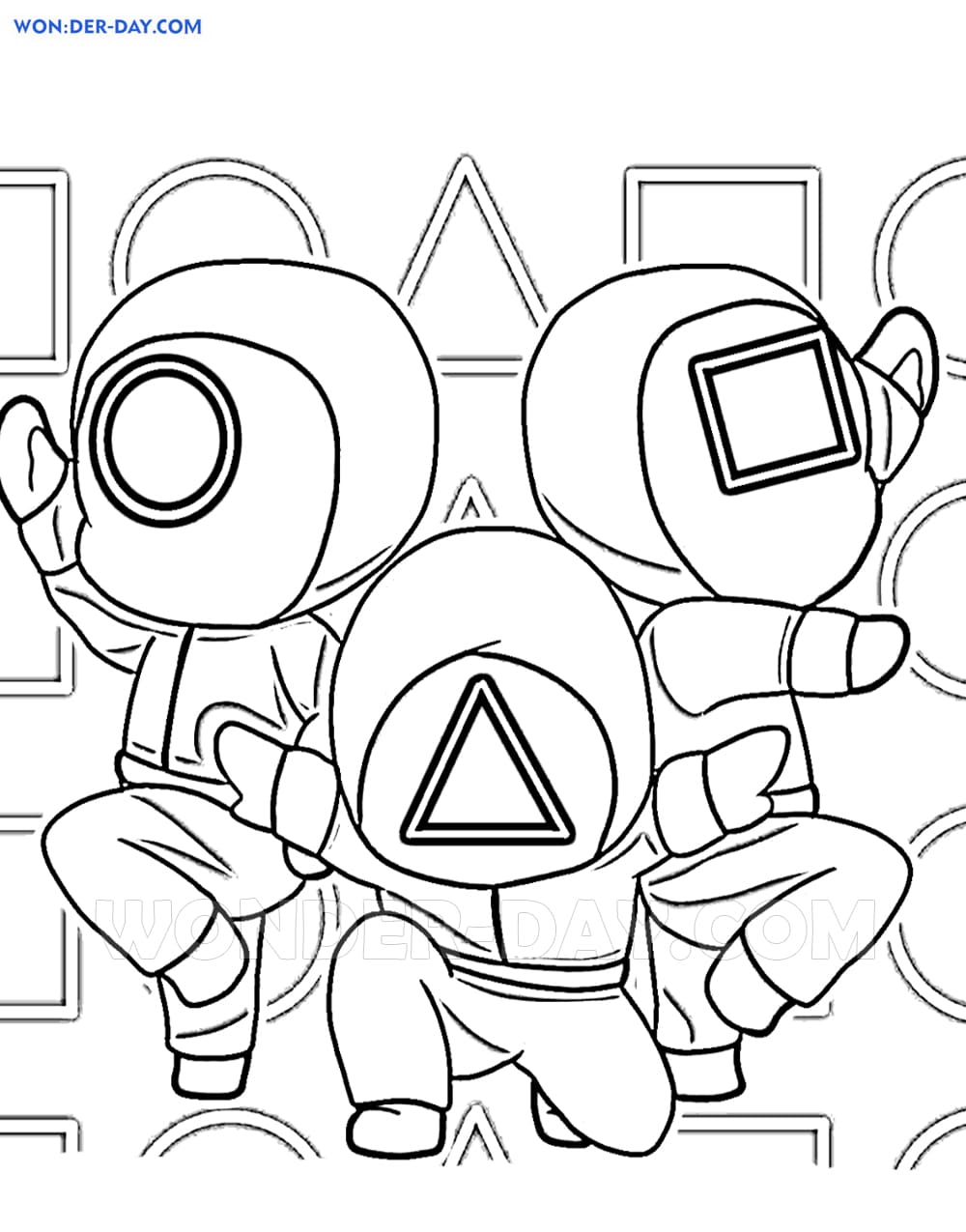
Squid Game Coloring Pages Free Coloring Pages

Squid Game Logo Coloring Pages

47 Squid Game Coloring Pages Free PDF to Print
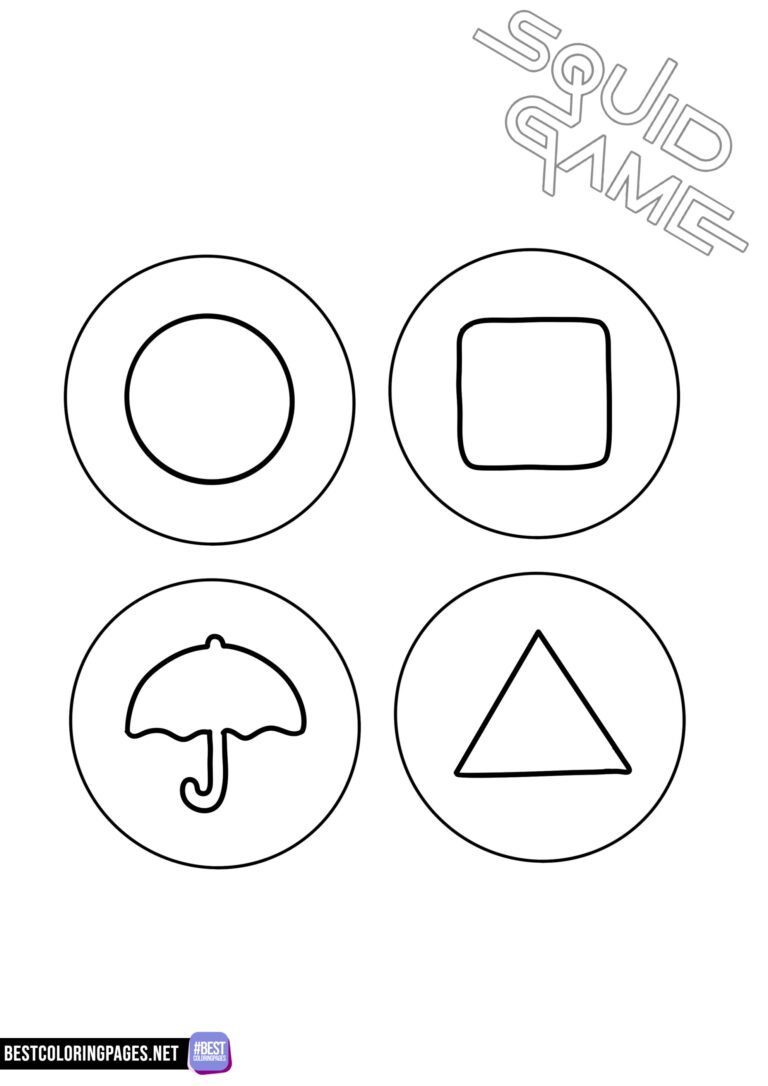
Squid Game coloring pages

Squid Game coloring pages

29 Squid Game Coloring Pages (Free PDF Printables)

29 Squid Game Coloring Pages (Free PDF Printables)

Squid Game Coloring Pages(44+ free printable coloring pages) Cute

Best 13 29 Squid Game Coloring Pages (Free PDF Printables) Artofit

Squid Game Coloring Pages for kids Free and easy print or download

Squid Game coloring pages
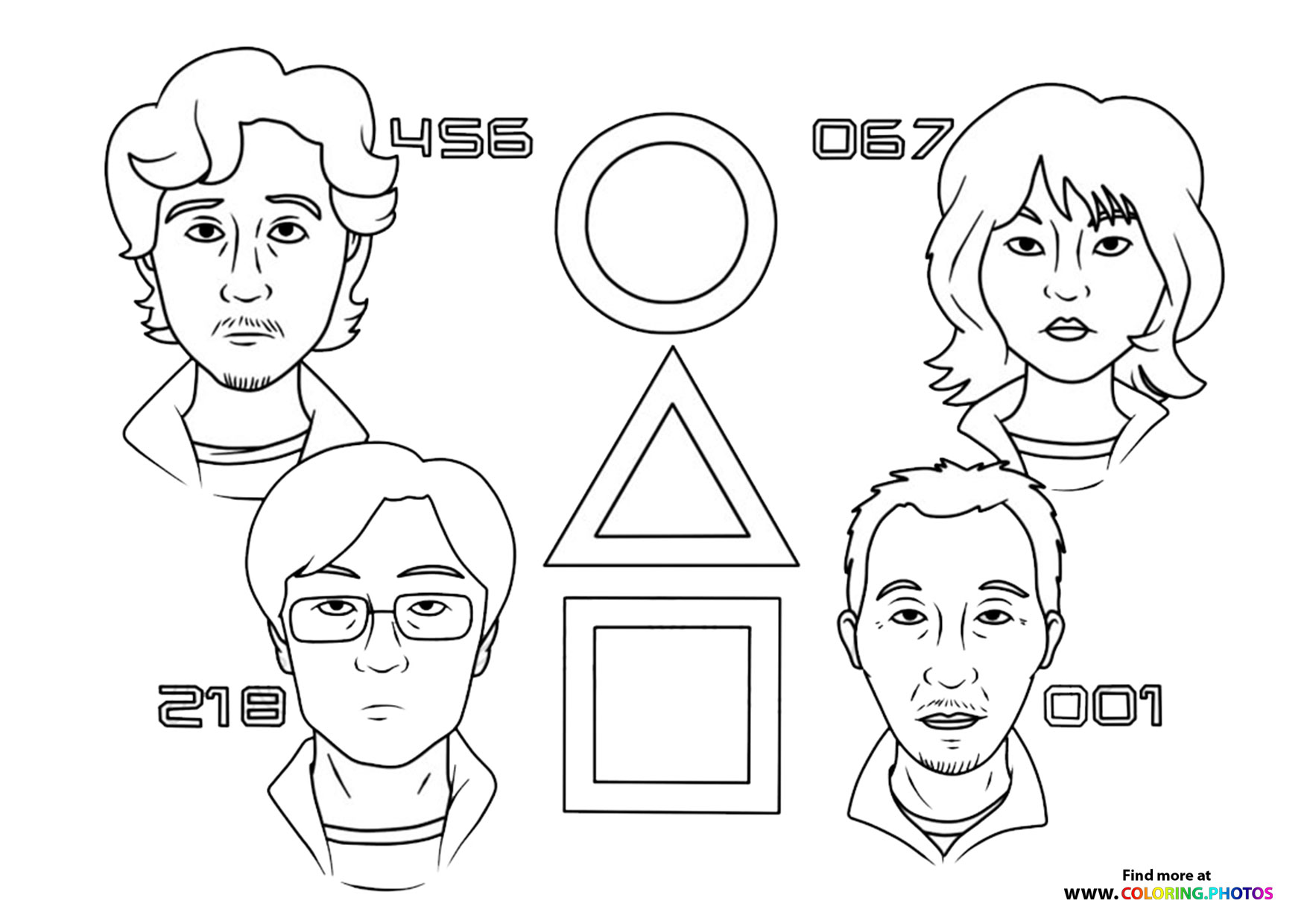
Squid Game Coloring Pages for kids Free and easy print or download

Squid Game Coloring Pages for kids Free and easy print or download
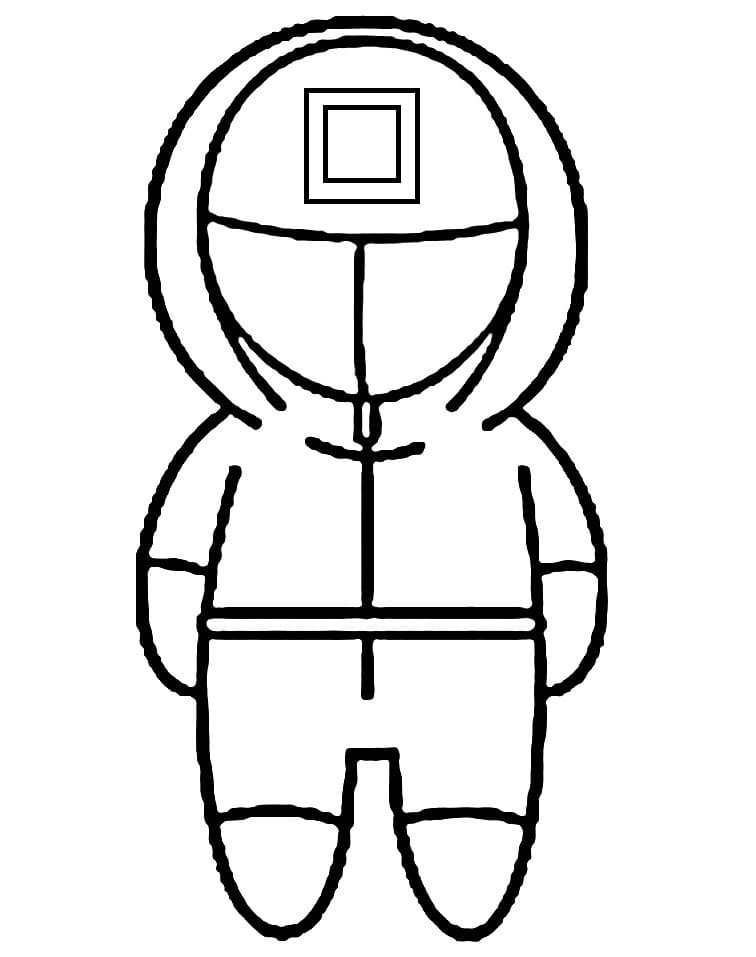
Free Printable Squid Game Coloring Page Free Printable Coloring Pages

Squid Game Coloring Pages Printable Collection for Fans

29 Squid Game Coloring Pages (Free PDF Printables)
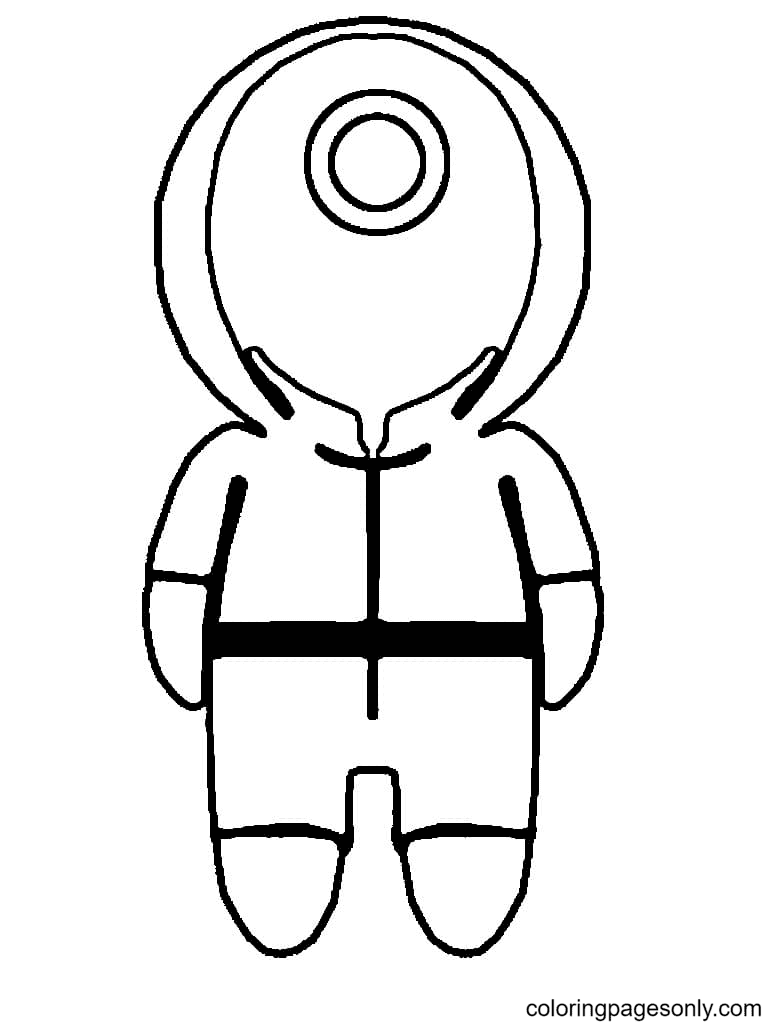
Squid Game Coloring Pages Printable Printable Templates

Squid Game coloring pages

Squid Game Coloring Pages for kids Free and easy print or download

Squid Game coloring pages

29 Squid Game Coloring Pages (Free PDF Printables)

29 Squid Game Coloring Pages (Free PDF Printables)

Squid Game Coloring Pages for kids Free and easy print or download
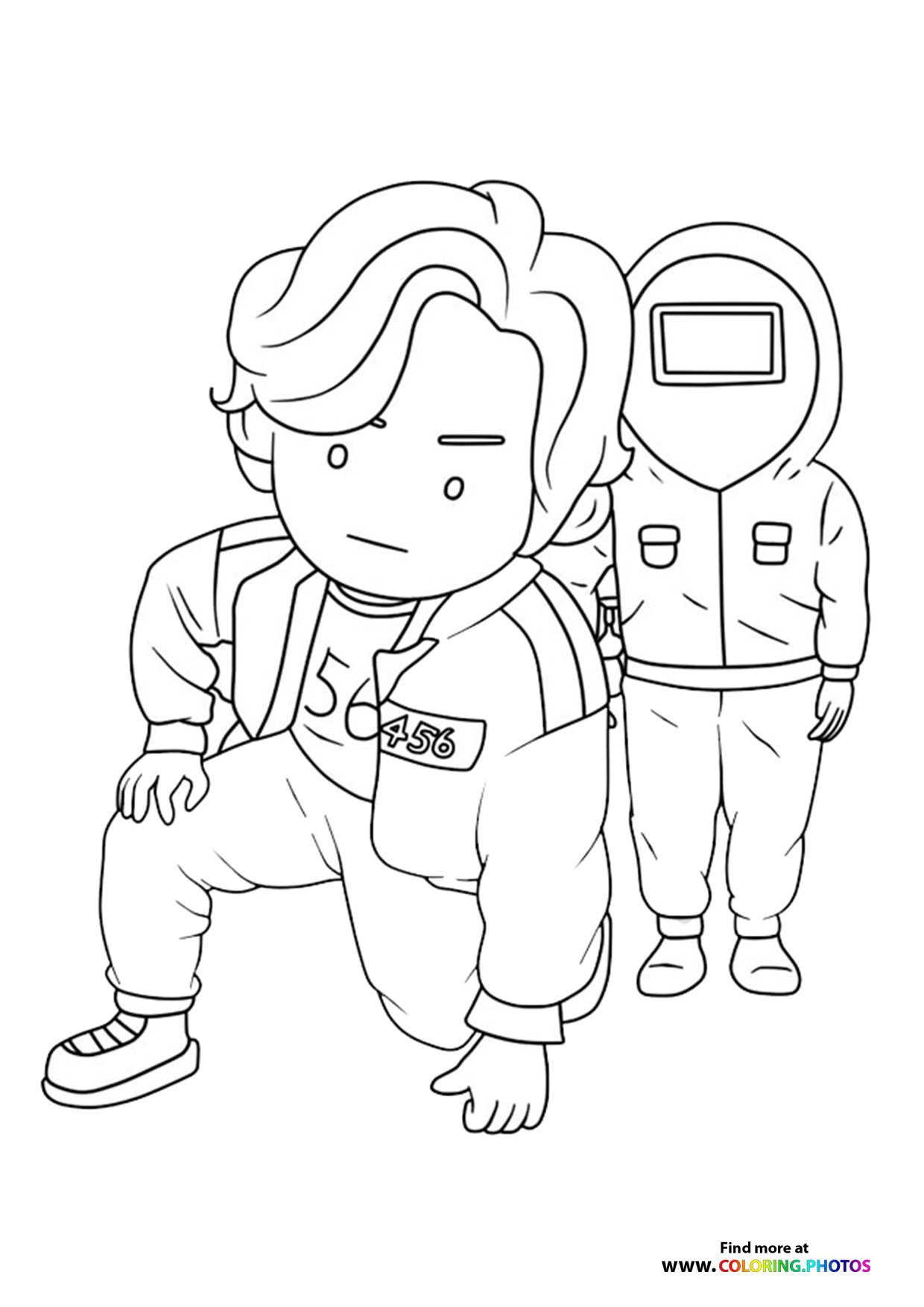
Squid Game Coloring Pages for kids Free and easy print or download

47 Squid Game Coloring Pages Free PDF to Print

Squid Game coloring pages

Squid Game Coloring Pages for kids Free and easy print or download
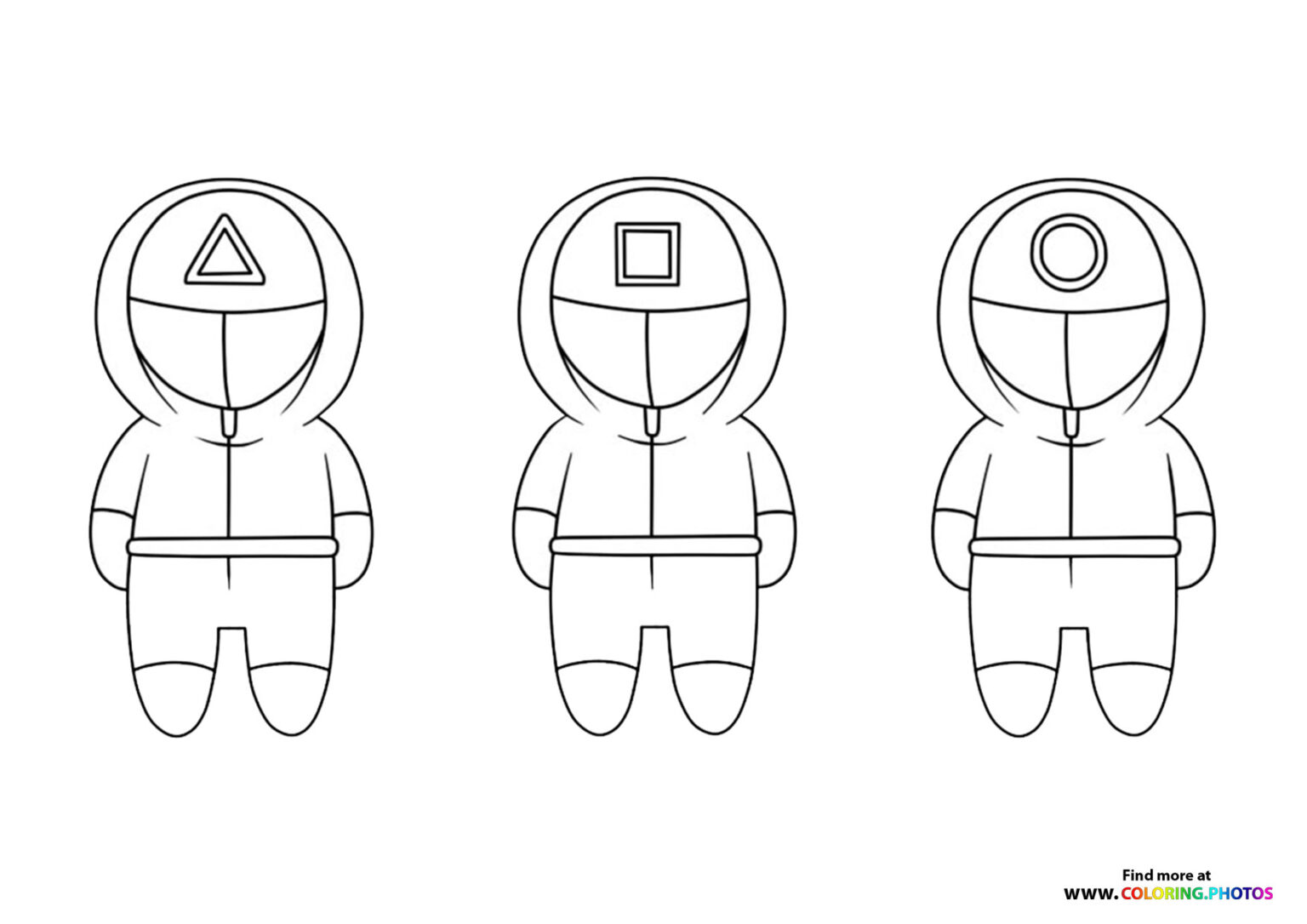
Squid Game Coloring Page Squid Game AusmalbilderFurKinder.de

Squid game Free Printable Coloring Pages

Printable Squid Game Coloring Page (Free Printable PDF)

10 Coloring Squid Game 2 to print The games continue
Their Bodies Are Very Soft Which Is Why They Tend To Make A Nice Meal For So.
Known For Their Streamlined Bodies, Rapid Swimming.
These Anatomical Differences Between Squid And Octopuses Can Help Explain Why Squid Can Be Found Swimming Comparably To Fish While Octopuses Usually Rely On Other Forms Of Locomotion On The Sea.
Related Post: