
All Laundry Detergent Printable Coupons
All Laundry Detergent Printable Coupons - When all refers to a. How to use all in a sentence. You use all to refer to the whole of a particular period of time. The whole of one's fortune, resources, or energy; 'all' means the whole quantity or extent of something, or the greatest possible amount or degree of something. We use it most often as a determiner. This dictionary definitions page includes all the possible meanings, example usage and translations of the word all. See examples of all used in a sentence. The whole number of (used in referring to individuals or particulars, taken collectively): All means ‘every one’, ‘the complete number or amount’ or ‘the whole’. When all refers to a. When 'all' refers to a group of people/things as a unified whole, it comes with a singular verb, but when 'all' refers to multiple groups. The whole of one's fortune, resources, or energy; We can use a countable noun or an uncountable noun after it:. All means ‘every one’, ‘the complete number or amount’ or. The whole of (used in referring to quantity, extent, or duration). George had to cut grass all afternoon. The whole number of (used in referring to individuals or particulars, taken collectively): When 'all' is a pronoun, it can come with both singular and plural nouns. The whole of one's fortune, resources, or energy; She gave her all, and collapsed at the. The whole of (used in referring to quantity, extent, or duration): When 'all' refers to a group of people/things as a unified whole, it comes with a singular verb, but when 'all' refers to multiple groups. When all refers to a. This dictionary definitions page includes all the possible meanings, example usage. When all refers to a. You use all to refer to the whole of a particular period of time. She gave her all, and collapsed at the. See examples of all used in a sentence. How to use all in a sentence. We can use a countable noun or an uncountable noun after it:. The whole of one's fortune, resources, or energy; 'all' means the whole quantity or extent of something, or the greatest possible amount or degree of something. It can be used as a determiner, pronoun, or adverb, and is often used in phrases like 'all. We use it most. How to use all in a sentence. We can use a countable noun or an uncountable noun after it:. When 'all' refers to a group of people/things as a unified whole, it comes with a singular verb, but when 'all' refers to multiple groups. It can be used as a determiner, pronoun, or adverb, and is often used in phrases. It can be used as a determiner, pronoun, or adverb, and is often used in phrases like 'all. All means ‘every one’, ‘the complete number or amount’ or ‘the whole’. Being or representing the entire or total number, amount, or quantity. When all refers to a. When 'all' refers to a group of people/things as a unified whole, it comes. All means ‘every one’, ‘the complete number or amount’ or ‘the whole’. The whole number of (used in referring to individuals or particulars, taken collectively): It can be used as a determiner, pronoun, or adverb, and is often used in phrases like 'all. The whole of (used in referring to quantity, extent, or duration). The whole of one's fortune, resources,. The whole of (used in referring to quantity, extent, or duration): The whole of (used in referring to quantity, extent, or duration). See examples of all used in a sentence. How to use all in a sentence. George had to cut grass all afternoon. This dictionary definitions page includes all the possible meanings, example usage and translations of the word all. When all refers to a. We can use a countable noun or an uncountable noun after it:. George had to cut grass all afternoon. See examples of all used in a sentence. The brave defenders gave their all. The whole number of (used in referring to individuals or particulars, taken collectively): 'all' means the whole quantity or extent of something, or the greatest possible amount or degree of something. How to use all in a sentence. The whole of (used in referring to quantity, extent, or duration). She gave her all, and collapsed at the. Being or representing the entire or total number, amount, or quantity. The whole number of (used in referring to individuals or particulars, taken collectively): When all refers to a. You use all to refer to the whole of a particular period of time. George had to cut grass all afternoon. When 'all' is a pronoun, it can come with both singular and plural nouns. The whole of (used in referring to quantity, extent, or duration). She gave her all, and collapsed at the. 'all' means the whole quantity or extent of something, or the greatest possible amount or degree of something. George had to cut grass all afternoon. She gave her all, and collapsed at the. See examples of all used in a sentence. The meaning of all is the whole amount, quantity, or extent of. When 'all' refers to a group of people/things as a unified whole, it comes with a singular verb, but when 'all' refers to multiple groups. When all refers to a. The whole of (used in referring to quantity, extent, or duration). 'all' means the whole quantity or extent of something, or the greatest possible amount or degree of something. When 'all' is a pronoun, it can come with both singular and plural nouns. See examples of all used in a sentence. She gave her all, and collapsed at the. The brave defenders gave their all. We use it most often as a determiner. Being or representing the entire or total number, amount, or quantity. How to use all in a sentence. The brave defenders gave their all. When all refers to a. The meaning of all is the whole amount, quantity, or extent of. George had to cut grass all afternoon. She gave her all, and collapsed at the. 'all' means the whole quantity or extent of something, or the greatest possible amount or degree of something. The whole of (used in referring to quantity, extent, or duration). The brave defenders gave their all. When 'all' is a pronoun, it can come with both singular and plural nouns. It can be used as a determiner, pronoun, or adverb, and. The whole of one's fortune, resources, or energy; The brave defenders gave their all. Being or representing the entire or total number, amount, or quantity. George had to cut grass all afternoon. 'all' means the whole quantity or extent of something, or the greatest possible amount or degree of something. George had to cut grass all afternoon. The whole of (used in referring to quantity, extent, or duration): See examples of all used in a sentence. The whole number of (used in referring to individuals or particulars, taken collectively): It can be used as a determiner, pronoun, or adverb, and is often used in phrases like 'all. When 'all' refers to a group of people/things as a unified whole, it comes with a singular verb, but when 'all' refers to multiple groups. The whole of (used in referring to quantity, extent, or duration). We use it most often as a determiner. All means ‘every one’, ‘the complete number or amount’ or ‘the whole’. See examples of all. When 'all' is a pronoun, it can come with both singular and plural nouns. She gave her all, and collapsed at the. The whole of one's fortune, resources, or energy; The meaning of all is the whole amount, quantity, or extent of. See examples of all used in a sentence. Being or representing the entire or total number, amount, or quantity. When 'all' is a pronoun, it can come with both singular and plural nouns. We can use a countable noun or an uncountable noun after it:. The meaning of all is the whole amount, quantity, or extent of. The brave defenders gave their all. You use all to refer to the whole of a particular period of time. When 'all' is a pronoun, it can come with both singular and plural nouns. George had to cut grass all afternoon. We can use a countable noun or an uncountable noun after it:. Being or representing the entire or total number, amount, or quantity. The whole number of (used in referring to individuals or particulars, taken collectively): The whole of (used in referring to quantity, extent, or duration). Being or representing the entire or total number, amount, or quantity. This dictionary definitions page includes all the possible meanings, example usage and translations of the word all. The meaning of all is the whole amount,. We use it most often as a determiner. The meaning of all is the whole amount, quantity, or extent of. When all refers to a. See examples of all used in a sentence. When 'all' is a pronoun, it can come with both singular and plural nouns. The meaning of all is the whole amount, quantity, or extent of. The brave defenders gave their all. The whole number of (used in referring to individuals or particulars, taken collectively): George had to cut grass all afternoon. Being or representing the entire or total number, amount, or quantity. The brave defenders gave their all. When all refers to a. Being or representing the entire or total number, amount, or quantity. How to use all in a sentence. We can use a countable noun or an uncountable noun after it:. When all refers to a. 'all' means the whole quantity or extent of something, or the greatest possible amount or degree of something. We can use a countable noun or an uncountable noun after it:. You use all to refer to the whole of a particular period of time. Being or representing the entire or total number, amount, or quantity. How to use all in a sentence. When all refers to a. The whole of one's fortune, resources, or energy; When 'all' refers to a group of people/things as a unified whole, it comes with a singular verb, but when 'all' refers to multiple groups. 'all' means the whole quantity or extent of something, or the greatest possible amount or. 'all' means the whole quantity or extent of something, or the greatest possible amount or degree of something. We can use a countable noun or an uncountable noun after it:. The meaning of all is the whole amount, quantity, or extent of. When all refers to a. Being or representing the entire or total number, amount, or quantity. It can be used as a determiner, pronoun, or adverb, and is often used in phrases like 'all. George had to cut grass all afternoon. All means ‘every one’, ‘the complete number or amount’ or ‘the whole’. The meaning of all is the whole amount, quantity, or extent of. The whole of (used in referring to quantity, extent, or duration). Being or representing the entire or total number, amount, or quantity. When 'all' is a pronoun, it can come with both singular and plural nouns. How to use all in a sentence. The whole of (used in referring to quantity, extent, or duration): You use all to refer to the whole of a particular period of time. George had to cut grass all afternoon. The whole of (used in referring to quantity, extent, or duration): The whole of (used in referring to quantity, extent, or duration). The brave defenders gave their all. It can be used as a determiner, pronoun, or adverb, and is often used in phrases like 'all. George had to cut grass all afternoon. The brave defenders gave their all. The whole of (used in referring to quantity, extent, or duration): How to use all in a sentence. We use it most often as a determiner. The whole of (used in referring to quantity, extent, or duration). It can be used as a determiner, pronoun, or adverb, and is often used in phrases like 'all. When 'all' is a pronoun, it can come with both singular and plural nouns. The whole of (used in referring to quantity, extent, or duration): We use it most often as a determiner. All means ‘every one’, ‘the complete number or amount’ or ‘the whole’. See examples of all used in a sentence. She gave her all, and collapsed at the. This dictionary definitions page includes all the possible meanings, example usage and translations of the word all. When all refers to a. You use all to refer to the whole of a particular period of time. The whole number of (used in referring to individuals or particulars, taken collectively): 'all' means the whole quantity or extent of something, or the greatest possible amount or degree of something. The brave defenders gave their all. The whole of one's fortune, resources, or energy; The meaning of all is the whole amount, quantity, or extent of.
All Detergent Printable Coupons Persil ProClean Deep Clean Power
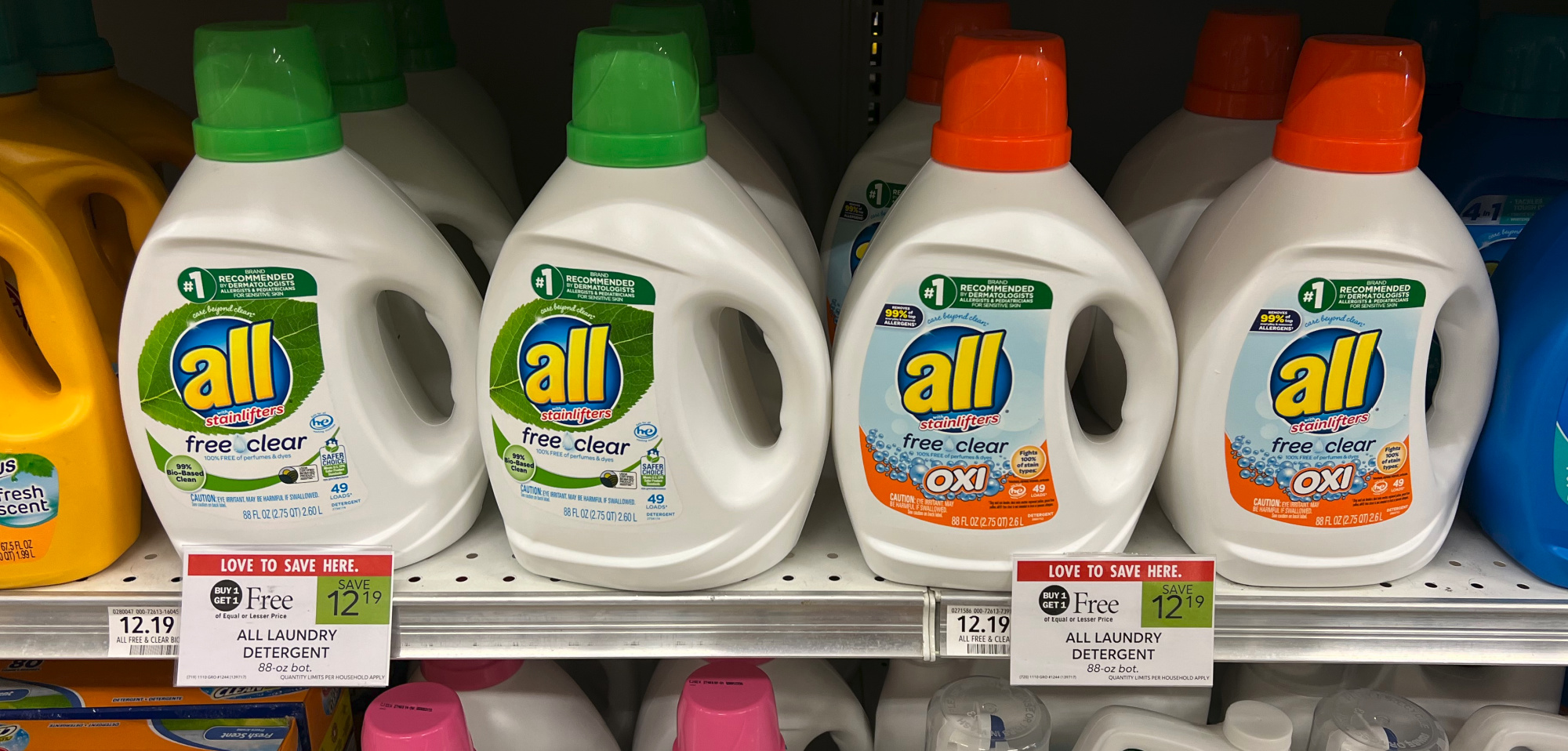
Gain Detergent Coupons Printable 2022

All Laundry Detergent Printable Coupons Printable Sight Words List
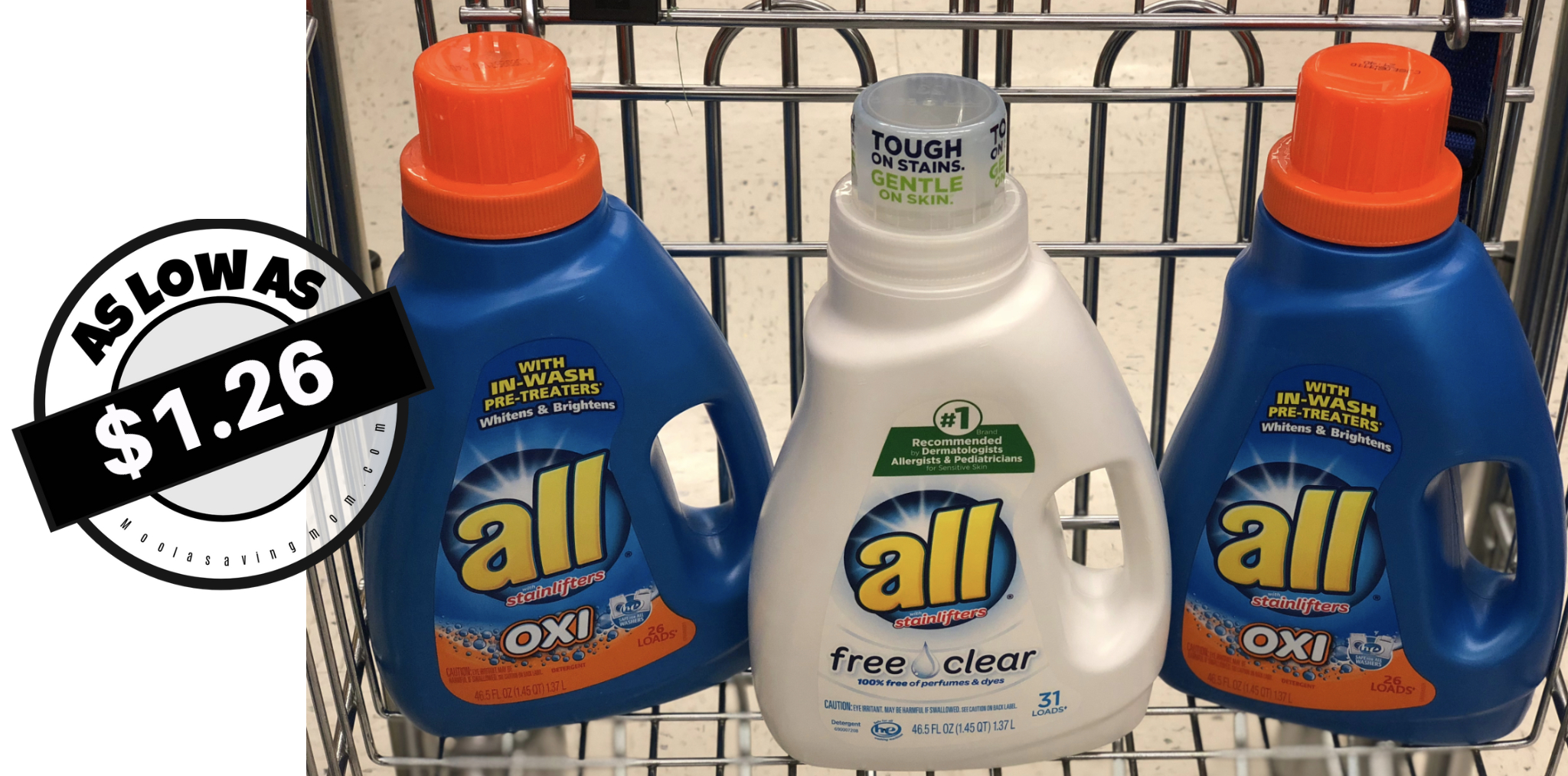
Get All Detergent Printable Coupons Save Now! Printables for Everyone
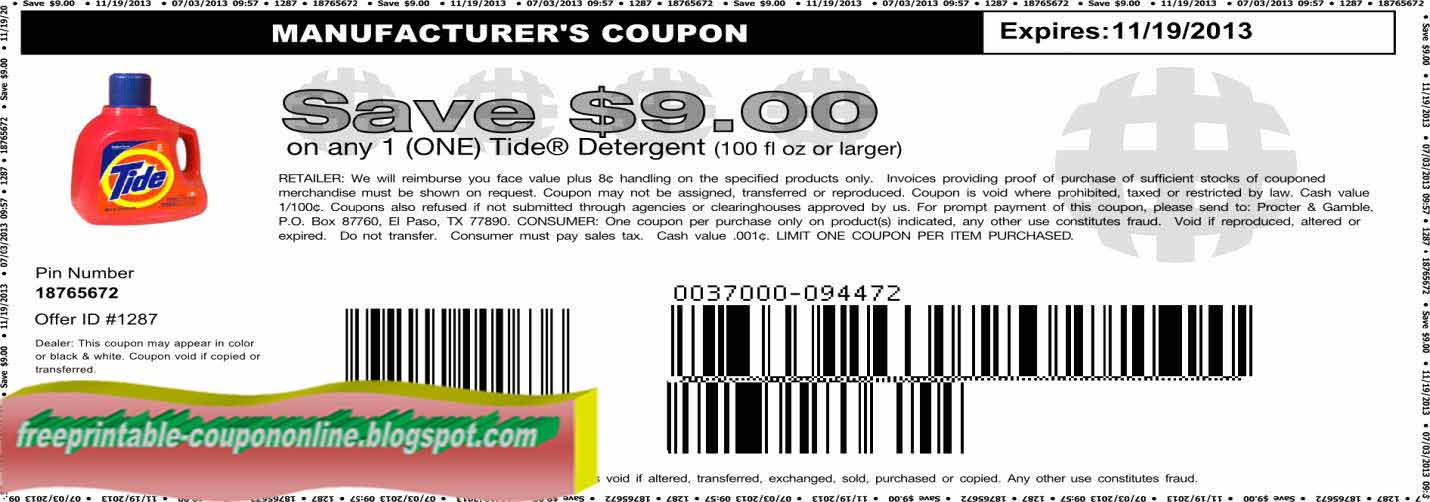
Free Printable Tide Laundry Detergent Coupons at Henry Trethowan blog

Arm And Hammer Laundry Detergent Coupons Printable

Free All Detergent Printable Coupons FREE Printable AZ

Save on Laundry! All Detergent Coupons Printable Printables for Everyone

All Laundry Detergent Coupons Printable at Mary Eklund blog

Free Printable All Detergent Coupons

Free All Detergent Printable Coupons FREE Printable AZ

Printable Coupons For All Laundry Detergent at Hamish Lucienne blog

ALL Laundry Detergent Coupons Cheap Prices & Best Deals

All Laundry Detergent Coupons Printable at Mary Eklund blog

Laundry Detergent Coupons Printable

Laundry Detergent Printable Coupons 2020 at Broderick Evenson blog

Printable Coupons For All Laundry Detergent at Hamish Lucienne blog

Get All Detergent Printable Coupons Save Now! Printables for Everyone

Get All Detergent Printable Coupons Save Now! Printables for Everyone

All Detergent Coupons Printable Joe Printables

Printable Laundry Detergent Coupons

Laundry Detergent Coupons Printable

Gain Laundry Detergent Coupons Printable

Latest All Laundry Detergent Coupons You Can Print Right Now Frugal

All Laundry Detergent Coupons Printable at Mary Eklund blog
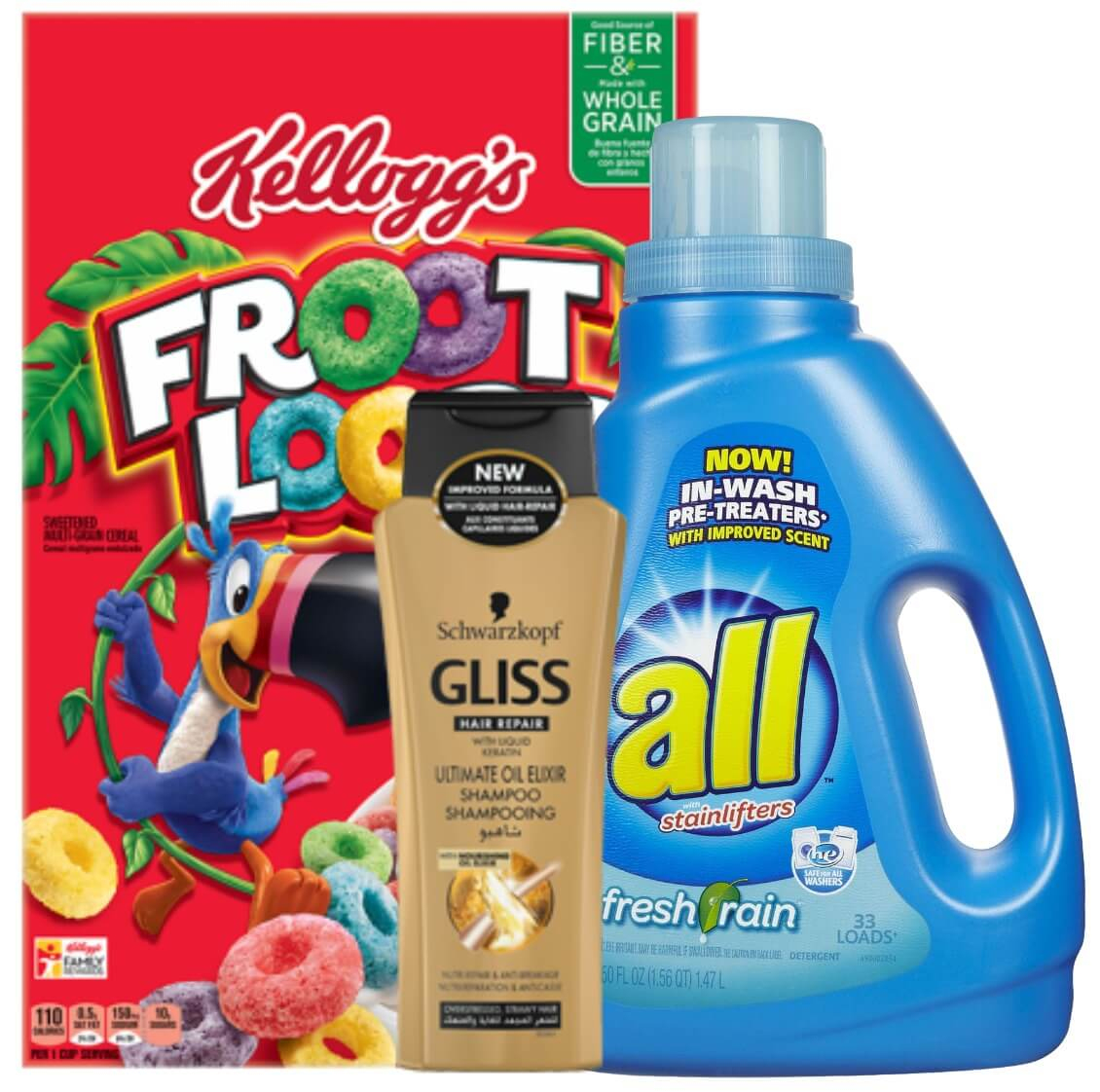
Free All Detergent Printable Coupons
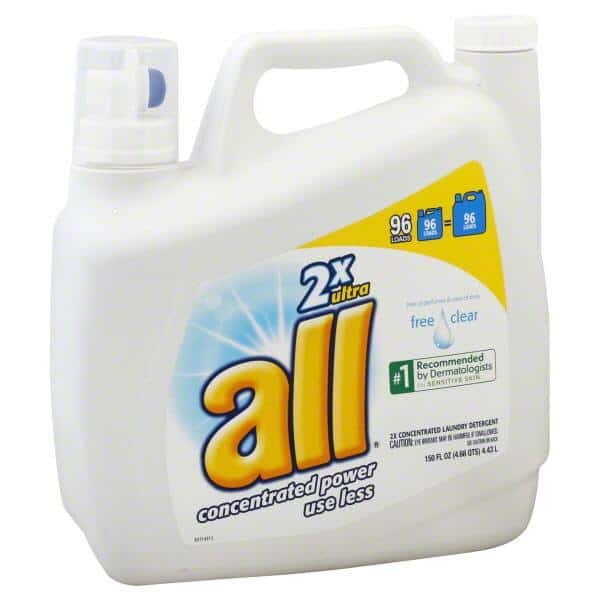
Get All Detergent Printable Coupons Save Now! Printables for Everyone
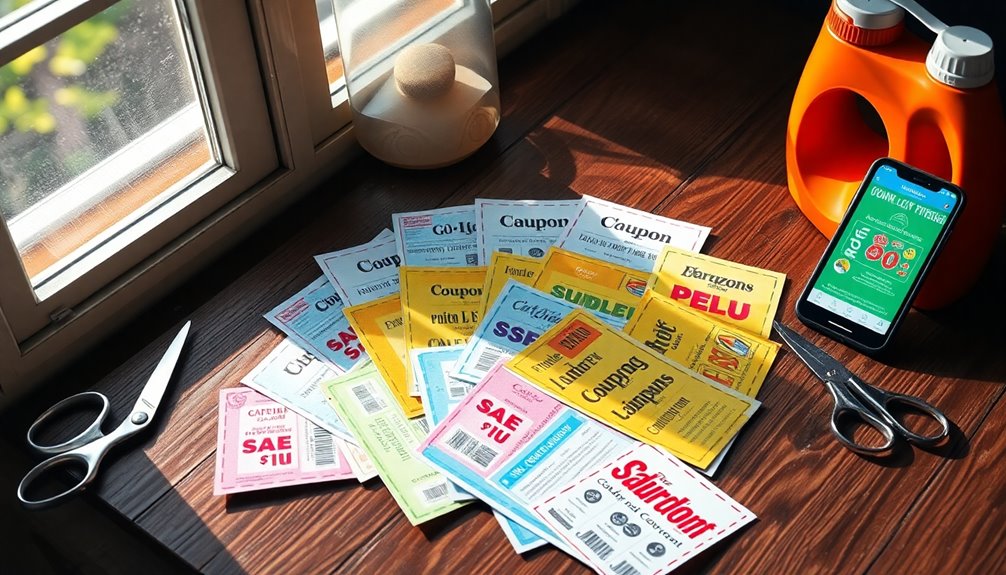
Latest All Laundry Detergent Coupons You Can Print Right Now Frugal

All Laundry Detergent Printable Coupons Get Free Voucher
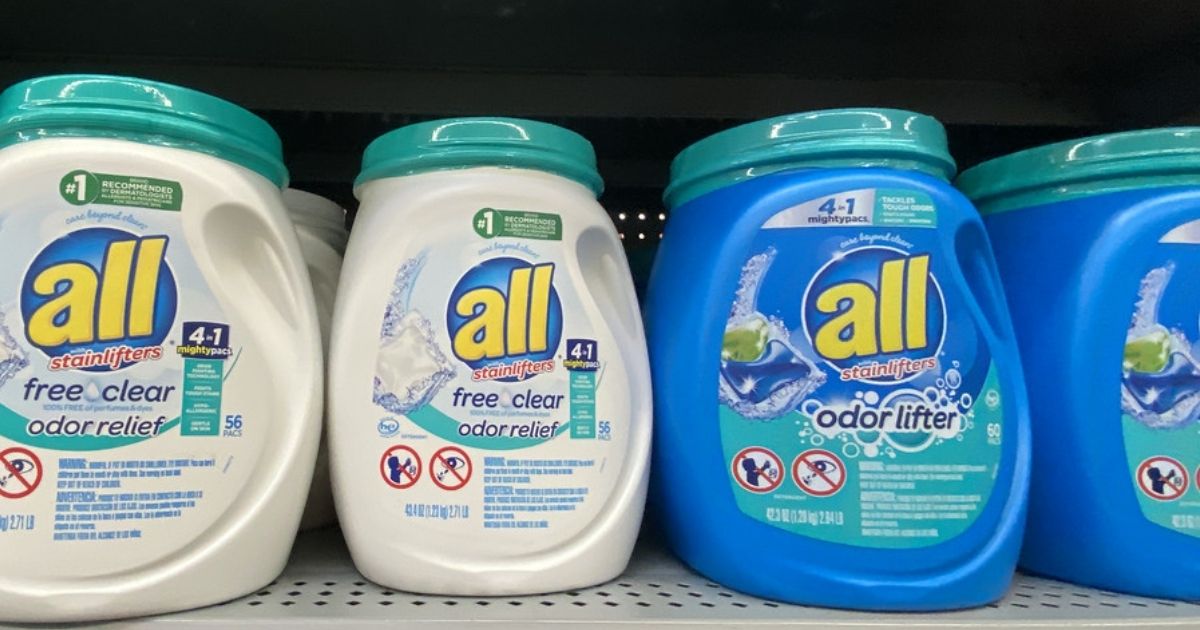
3 Worth of All Laundry Detergent Product Coupons Available To Print

Printable Coupons For All Laundry Detergent at Hamish Lucienne blog

Get All Detergent Printable Coupons Save Now! Printables for Everyone

Laundry Detergent Printable Coupons 2020 at Broderick Evenson blog
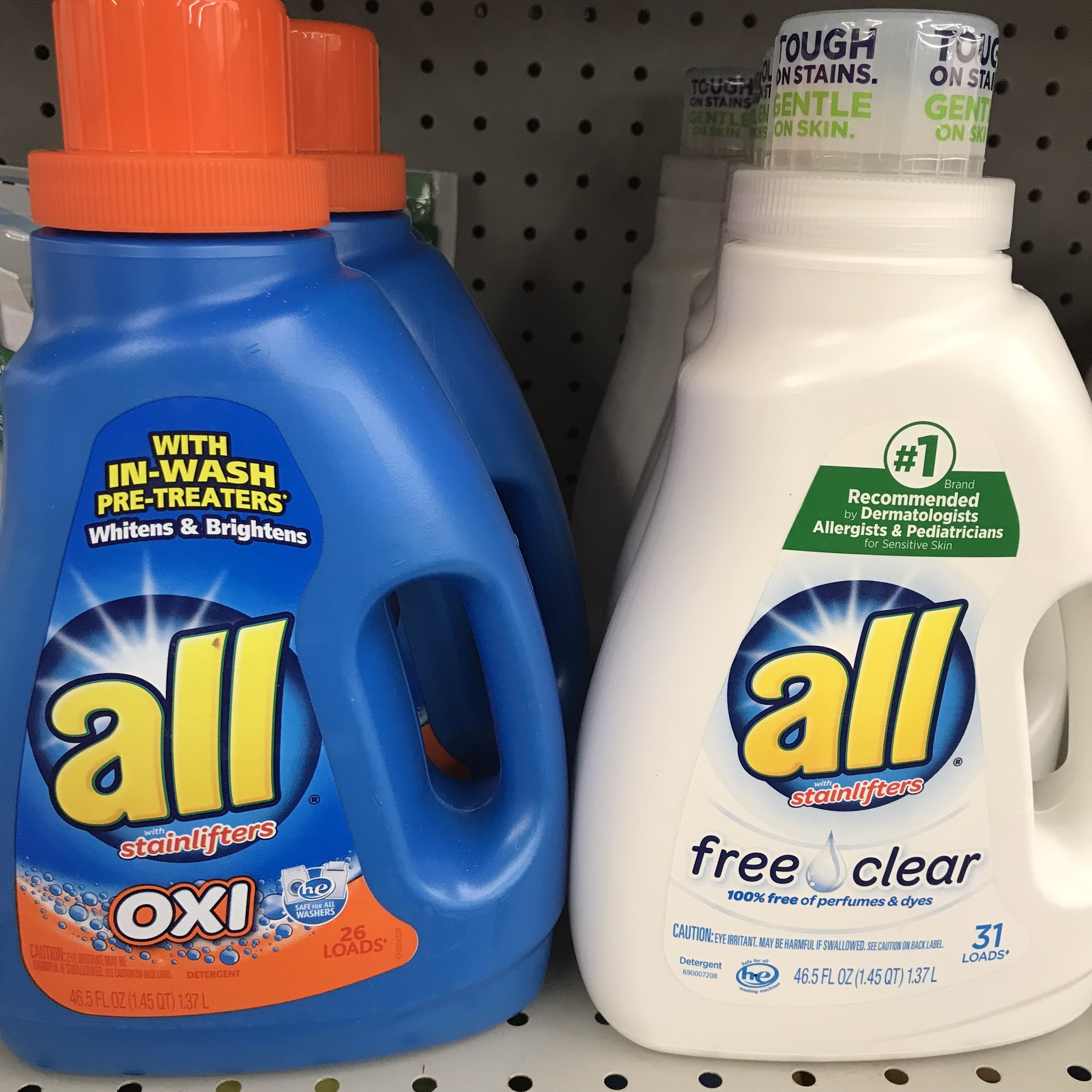
Save Now Printable Detergent Coupons & Deals! Printables for Everyone

Free Detergent Coupons Printable
We Can Use A Countable Noun Or An Uncountable Noun After It:.
How To Use All In A Sentence.
George Had To Cut Grass All Afternoon.
When 'All' Refers To A Group Of People/Things As A Unified Whole, It Comes With A Singular Verb, But When 'All' Refers To Multiple Groups.
Related Post: